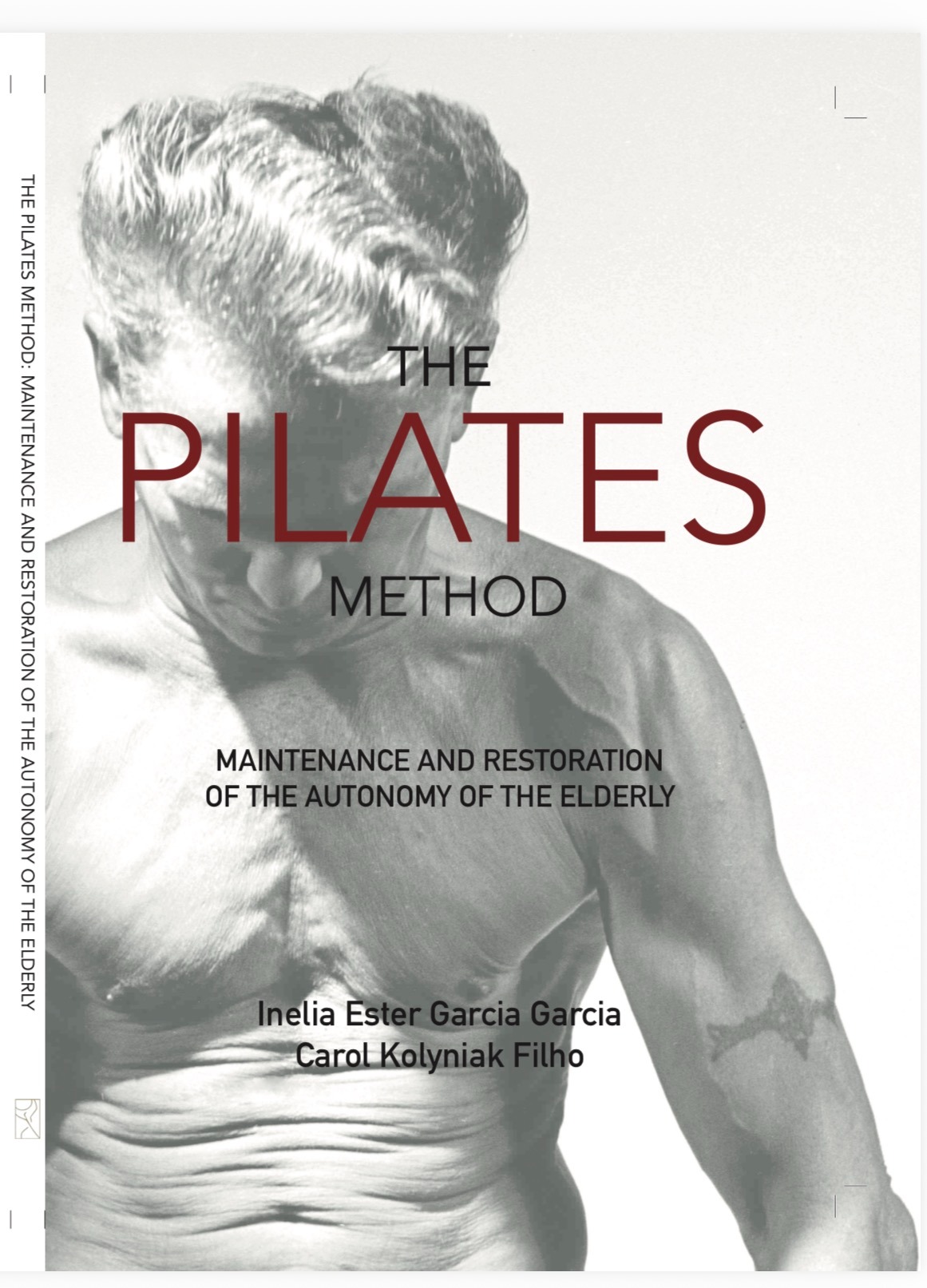
THE PILATES METHOD by Inelia Garcia
My role as translation editor was to edit the Portuguese-to-English manuscript to improve clarity and readability for an English-speaking audience. 8,000 words.
(Example of edited text)
All living beings have a limited lifespan. Each organism is born, grows, remains fully active, ages, and eventually dies. The series of transformations through which an organism passes from birth to death is called development. Thus, the aging process is a characteristic of all living beings, including humans.
In humans, development can be considered from two distinct yet interconnected perspectives. The first refers to objective transformations, which encompass the characteristics a person displays throughout life. The second concerns how individuals interpret the changes they experience and the meanings they attribute to those changes.
Regarding objective transformations, it is easy to see that everything changes. This includes the shape of the human body, motor skills, abilities, knowledge, intellect, and social relationships between individuals and the world around them.
The aging process has been the subject of numerous studies. Many complex factors contribute to aging, including both transformations within the organism and environmental influences. Organic transformations occur in all anatomical structures, including the skin, bones, muscles, joints, and the nervous, respiratory, circulatory, digestive, urinary, reproductive, and endocrine systems.
Anatomical changes—that is, changes in the structure of organs—are closely related to functional changes, which are reflected in an individual’s capacities for perception and interaction with the world.
0 Comments Add a Comment?